
The Potato: A Tuber That Feeds the Past and Shapes the Future
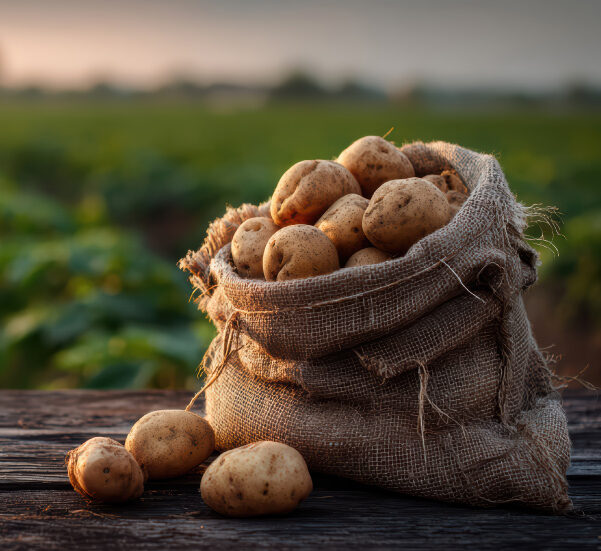
Potatoes are the world’s third most important food crop after rice and wheat, and the only major player among the Big Five crops that does not reproduce from traditional seeds, but rather from tubers. This fundamental difference, which might seem to hinder their widespread distribution, has, conversely, given them immunity to the sharp financial fluctuations that plague global grain markets, making them a reliable “breadbasket” for food security in times of turmoil. With global production reaching a record 383 million tons in 2023, potatoes now face a crucial crossroads between their historical heritage and the necessities of the future climate.
Record numbers and climate challenges
Global potato production is projected to reach 750 million tons by 2030, a 112% increase, with the majority of this growth expected to come from Asia, Africa, and Latin America. However, this ambition clashes with harsh climatic realities; potatoes are highly sensitive to heat stress and drought. Studies indicate that climate change could cause a yield decline of up to 32% by 2050 unless radical solutions are adopted.
Despite this risk, the problem is even more acute in Africa, where yields in Kenya have plummeted from 21 tons to just 7 tons per hectare in six years, primarily due to a seed crisis. Less than 5% of farmers there use certified seeds, while the rest rely on replanting degraded seasonal tubers that accumulate disease.
A silent revolution: from tubers to seeds
The radical solution to this dilemma may lie in reinventing the potato itself. Modern projects, such as Kenya’s One-to-One initiative, are striving to produce true potato seeds (TPS) instead of tubers. These seeds, similar to tomato seeds, are lightweight, disease-free, and easy to transport, potentially drastically reducing distribution costs and giving remote farmers access to clean, affordable seed. This shift from vegetative to seed propagation opens the door to faster distribution of climate-resilient varieties.
Meanwhile, European researchers working on the ADAPT project are identifying the molecular signals that allow potato plants to maintain their productivity under heat and drought. Using genetically modified “sensing plants,” scientists are able to monitor stress signals in real time, with the aim of providing breeders with tools to develop new varieties within the next five to ten years that guarantee stable yields.
Improving agricultural practices
Before resistant varieties reach the fields, improving agricultural practices remains the shortest-term weapon for increasing productivity. Recent research indicates that modifying planting patterns can make a significant difference. One study demonstrated that planting in paired rows with close spacing (40 cm between rows and 10 cm between plants) resulted in a 64.5% increase in plant density, which translated to a 10.7% increase in tuber yield, as well as improved nutrient and energy use efficiency.
For high-end markets, particularly for small “salad potatoes,” it’s not just about quantity, but also aesthetics. This category requires sandy loam soil free of stones to prevent skin damage, and precise irrigation systems to combat scab, a disease that mars the appearance of the tubers. The recommended seeding rate in this case is ambitious, aiming for one million marketable tubers per hectare, which necessitates extremely meticulous planning.
The taste of food and its future
Potato quality is not limited to appearance; it extends to taste and nutritional content. Studies comparing conventional (mineral), organic, and biodynamic farming methods show varying results: while intensive mineral fertilization reduced the dry matter and sucrose content in the tubers, biodynamic farming demonstrated better stability in these taste-related parameters. This underscores that the production method directly impacts the end consumer’s experience.
In conclusion, the Food and Agriculture Organization (FAO) celebrates 2025 under the theme “Potato: Shaping History, Feeding the Future.” From its roots in the Andes Mountains to its ambitions in space, the potato remains a resilient solution to one of the world’s most pressing challenges: food security in an unstable world. The path to achieving a production target of 750 million tons lies not only in expanding cultivated land but also in developing innovative crops that combine the warmth of tradition with the ingenuity of biotechnology.